 Business License
Refrigerated Truck Transportation Operation Process
Refrigerated Truck Transportation Operation Process
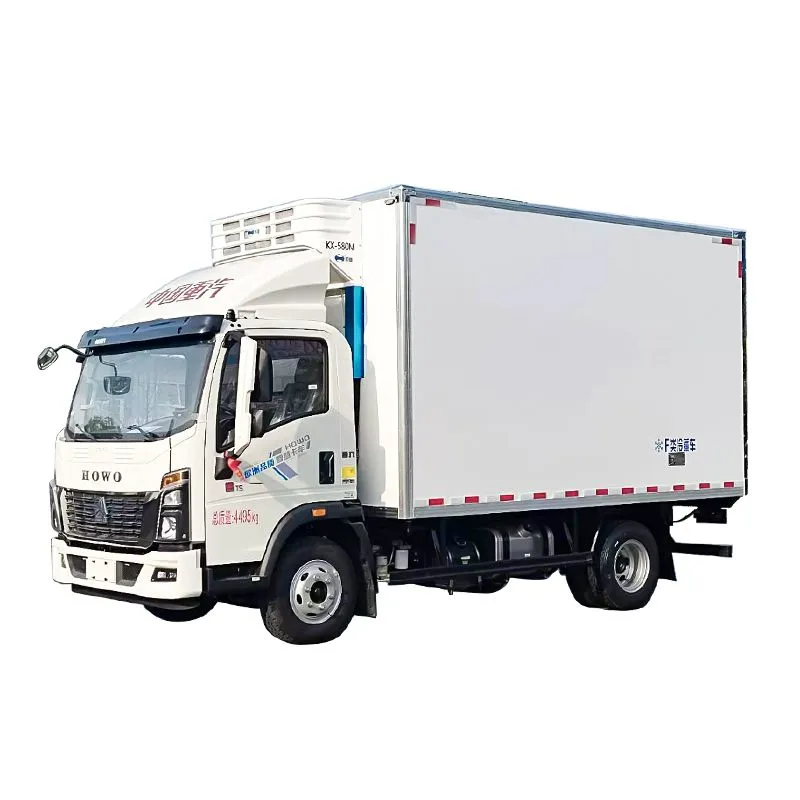
The entire process of transporting refrigerated and frozen foods—from production, storage, transportation, and sales to consumption—is conducted at a specified low temperature to ensure food quality and minimize spoilage. This systematic approach has impacted the sales volume of refrigerated trucks. So, how can we operate refrigerated trucks to achieve optimal results? Today, a refrigerated truck manufacturer will guide you through the key aspects.
1. Correct operation ensures goods are preserved and transported in good condition.
Only proper use and operation of refrigerated trucks can guarantee the safe transport and preservation of goods. Because refrigerated trucks are specifically designed for temperature-sensitive products, maintaining the correct temperature is crucial. Improper use or operation will result in goods not being preserved or transported in good condition.
2. Preventative maintenance reduces repair and operating costs.
During normal use, the maintenance and upkeep of the vehicle and refrigeration unit are indispensable. Only by performing timely and proper maintenance and upkeep can we ensure the normal operation of the equipment and extend its service life. Chassis engines are typically maintained and serviced based on mileage, while refrigeration units are maintained and serviced based on engine operating hours. A typical refrigeration unit requires maintenance and servicing every 500-700 hours, including replacing the oil filter, fuel filter, and air filter; and checking belt tension and for leaks in the refrigeration system. However, some brands of refrigeration units, in order to meet environmental protection requirements and minimize environmental damage and harmful emissions, are using synthetic or semi-synthetic engine oils instead of regular engine oil, thus extending engine maintenance intervals to approximately 2000 hours. This reduces waste oil emissions. Furthermore, scientific experiments have shown that using these high-end engine oils not only reduces engine wear but also reduces fuel consumption. Therefore, proper maintenance and servicing not only ensures the equipment's integrity but also reduces operating costs.
3. Appropriate packaging is crucial for protecting goods.
Use non-ventilated boxes for frozen goods and ventilated boxes for fresh goods. The boxes must be pressure-resistant. Frozen goods are not allowed to be exposed to drafts, as this would cause moisture loss and deteriorate their quality. This is why we have mandated this year that all unpackaged frozen foods must be sold in their original packaging. Fresh produce, due to its inherent characteristics, continues to respire during storage and transportation. Without proper ventilation, it will spoil and deteriorate. Therefore, it is essential to ensure excellent ventilation and air exchange for these goods.
Recently Posted
-
Where to buy bulk feed trucks
August 20, 2026You can usually buy a car at the nearest 4S store. For those specialized vehicles, due to market limitations, they need to go to s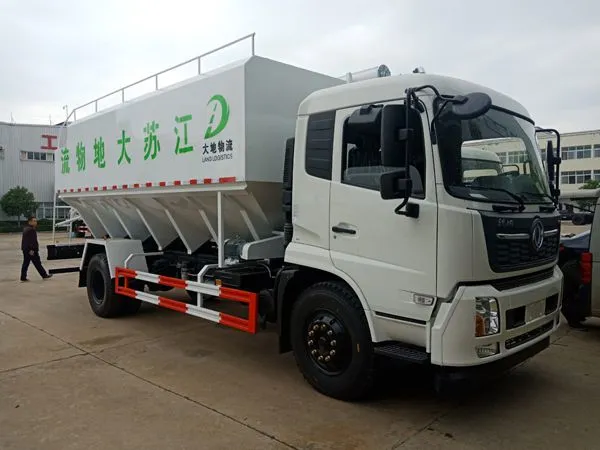 Read More
 -
1000 cubic meter flood control and drainage pump truck, large flow mobile diesel pump truck
August 20, 2026A 1000 cubic meter flood control water pump truck can pump out 1000 cubic meters of flood in 1 hour, and can be instantly started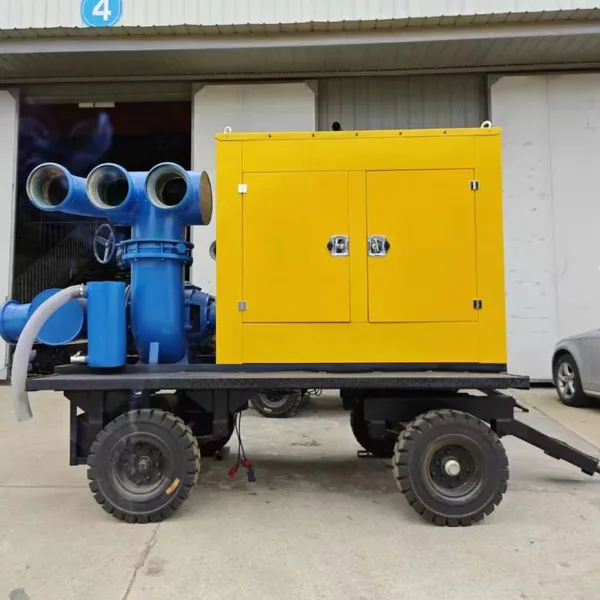 Read More
 -
Several common maintenance measures for refrigerated truck repairs.
January 4, 2026Several common maintenance measures for refrigerated truck repairs.During application, refrigerated truck bodies are often subject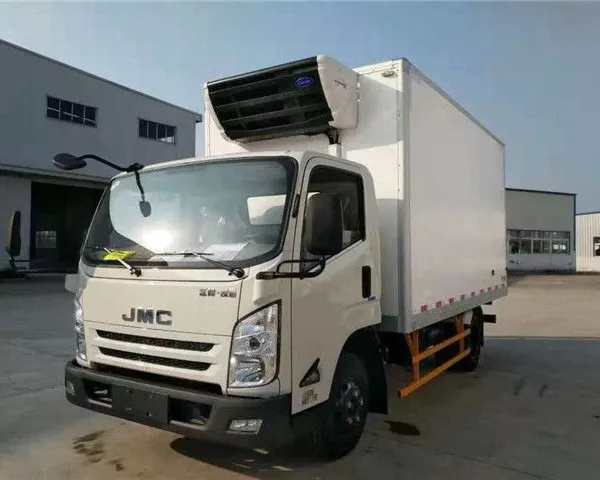 Read More
 -
Bucket garbage truck operation instructions
January 4, 2026Bucket garbage truck operation instructions1. Garbage loadingStep 1:First place the trash can at the hook of the hoist, and then p Read More

Contact Us
Recommended Products
-
 240 Horsepower Box TruckNegotiableMOQ: 1 Set
 -
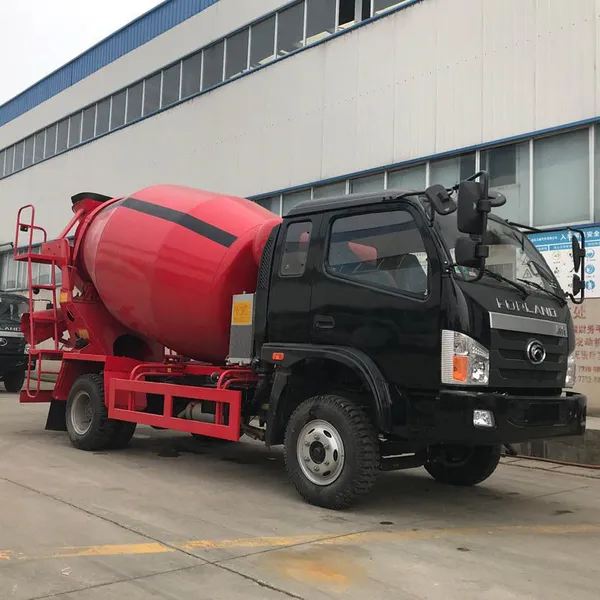
Concrete Mixer TruckNegotiableMOQ: 1 Set
-
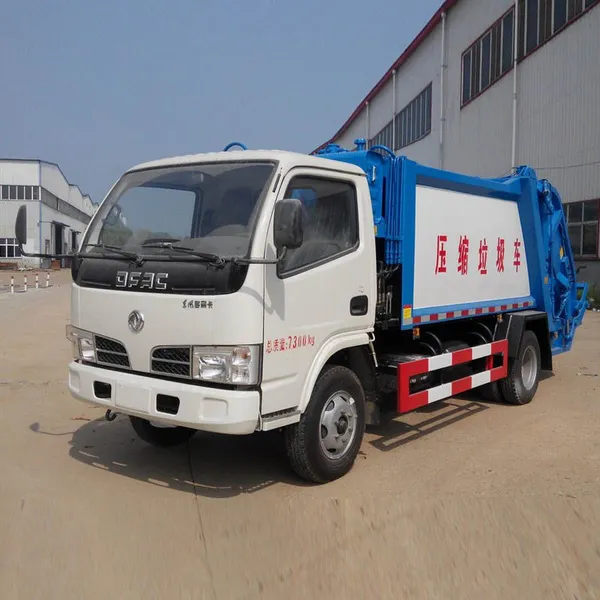
Waste Compression Garbage Truck|refuse Compactor Truck|garbage Compactor Collection TruckNegotiableMOQ: 1 Unit
-
Cargo Van|Cube Van|Dry VanNegotiableMOQ: 1 Set
-
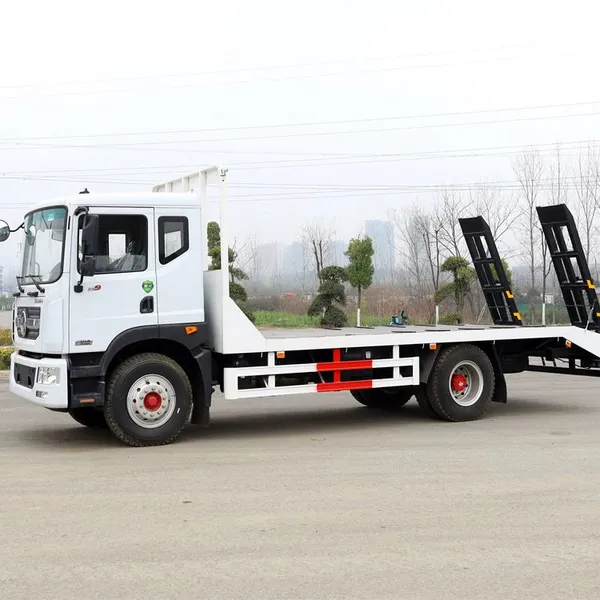
Tow Truck|flatbed Tow Truck|car Recovery Truck|road Rescue TruckNegotiableMOQ: 1 Unit
-
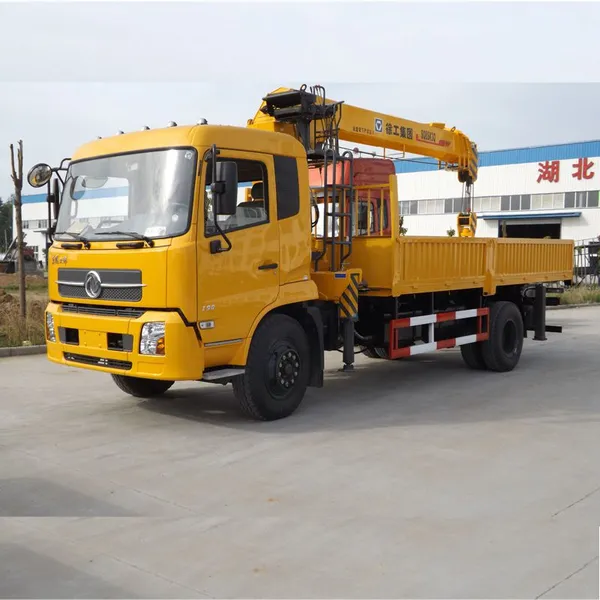
3.2 Truck Loader Crane|lorry Loader Crane|truck With CraneNegotiableMOQ: 1 Set
-
Kitchen Waste Collection Truck|catering Waste TruckNegotiableMOQ: 1 Set
-
16-ton Truck Mounted Crane|timber Truck With Crane|mobile Crane|log Truck With Crane|forestry Truck CraneNegotiableMOQ: 1 Set
-
Compactor Garbage Truck|garbage Compactor Truck|refuse Compactor TruckNegotiableMOQ: 1 Unit
-
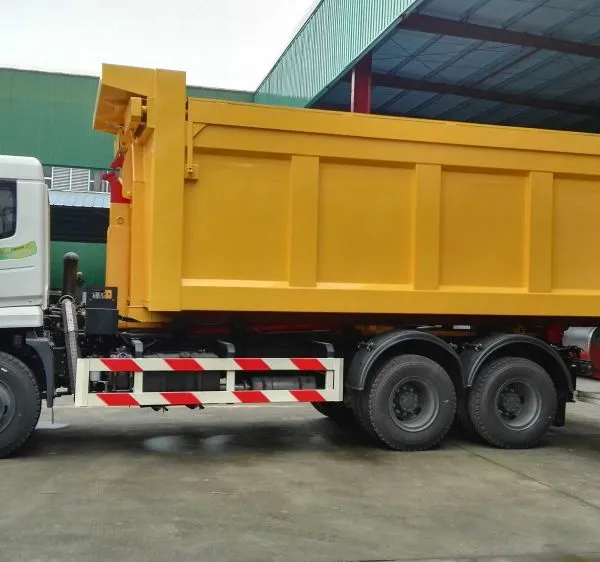
4x2 Mini Dump Truck|heavy Duty Dump Truck|tipper Truck|diesel Dump TruckNegotiableMOQ: 1 Set
-
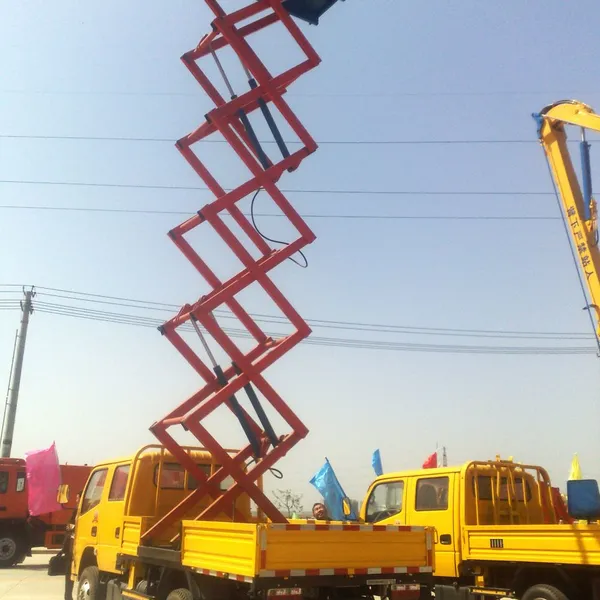
Aerial Work Vehicle|aerial Work Platform|aerial Lift TruckNegotiableMOQ: 1 Unit
-
20t Lorry Mounted Crane|truck Mounted Hydraulic Crane|vehicle Mounted Lifting CraneNegotiableMOQ: 1 Set
-
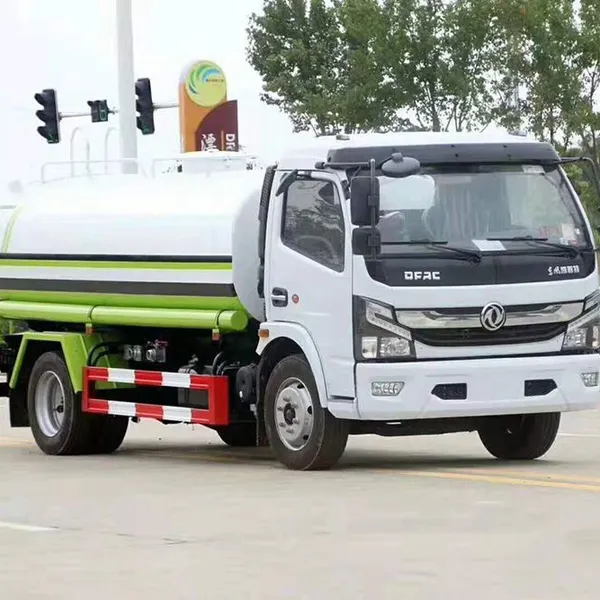
Water Sprinkler Truck|water Spray Tanker Truck|sanitation Water Tank VehicleNegotiableMOQ: 1 Set
-
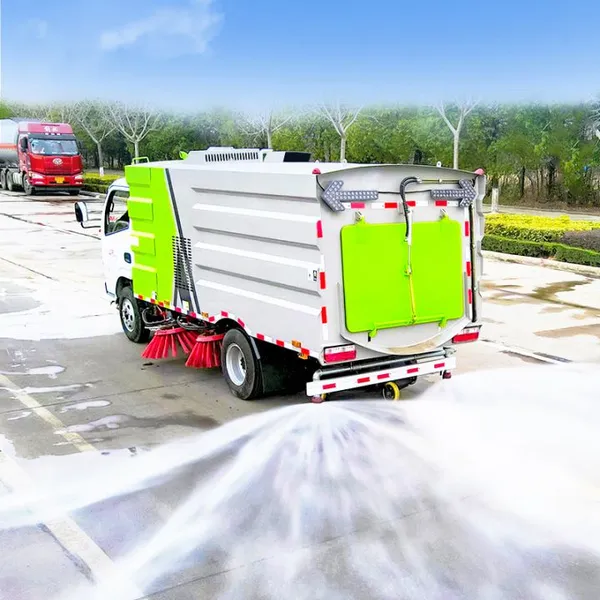
Dongfeng Road Sweeper Truck|street Sweeper Truck|vacuum Road SweeperNegotiableMOQ: 1 Unit
-
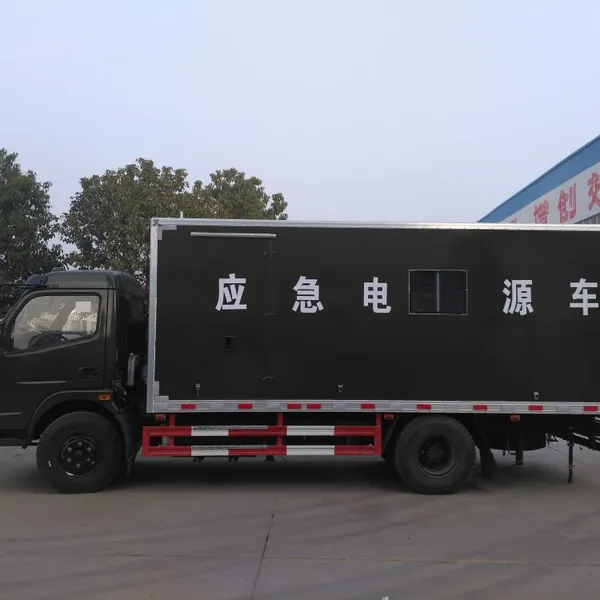
Mobile Power Truck, Mobile Energy Storage Truck, Emergency Power Supply Truck, Mobile Power Station TruckNegotiableMOQ: 1 Set
-
Chemical Liquid Transport Truck|chemical Tanker TruckNegotiableMOQ: 1 Unit
-
Bulk Cement Transport Truck|Bulk Cement Truck|cement Tanker TruckNegotiableMOQ: 1 Unit
-
Dongfeng Cargo Truck|general Cargo Truck|light Duty Truck|medium Duty TruckNegotiableMOQ: 1 Set
-
Telescopic Aerial Work Truck|aerial Platform Truck|cherry Picker Truck|man Lift TruckNegotiableMOQ: 1 Set
-
Combination Sewer Jetting Truck|Drain Jetting Truck|Combination Sewer Cleaner TruckNegotiableMOQ: 1 Set